Hidden Gems In Vietnam: Secret Destinations and Local Treasures for Explorers
Are you curious about Vietnam’s hidden treasure? While tour buses queue at famous sites, another world unfolds in the forgotten corner where morning mist clings to mountain villages, where fishermen haul nets under skies untouched by city lights, and where ancient traditions thrive far from camera flashes. Yet, its landscapes, as diverse as its cultures, match the warmth of the people and their traditions. The country encourages visitors to look beyond the obvious and find hidden gems in Vietnam that are waiting off the beaten path. If you’re ready to venture beyond the ordinary and experience Vietnam as locals know it, these hidden gems are waiting to reveal their stories.
A] Why Is Vietnam Every Explorer’s Dream?
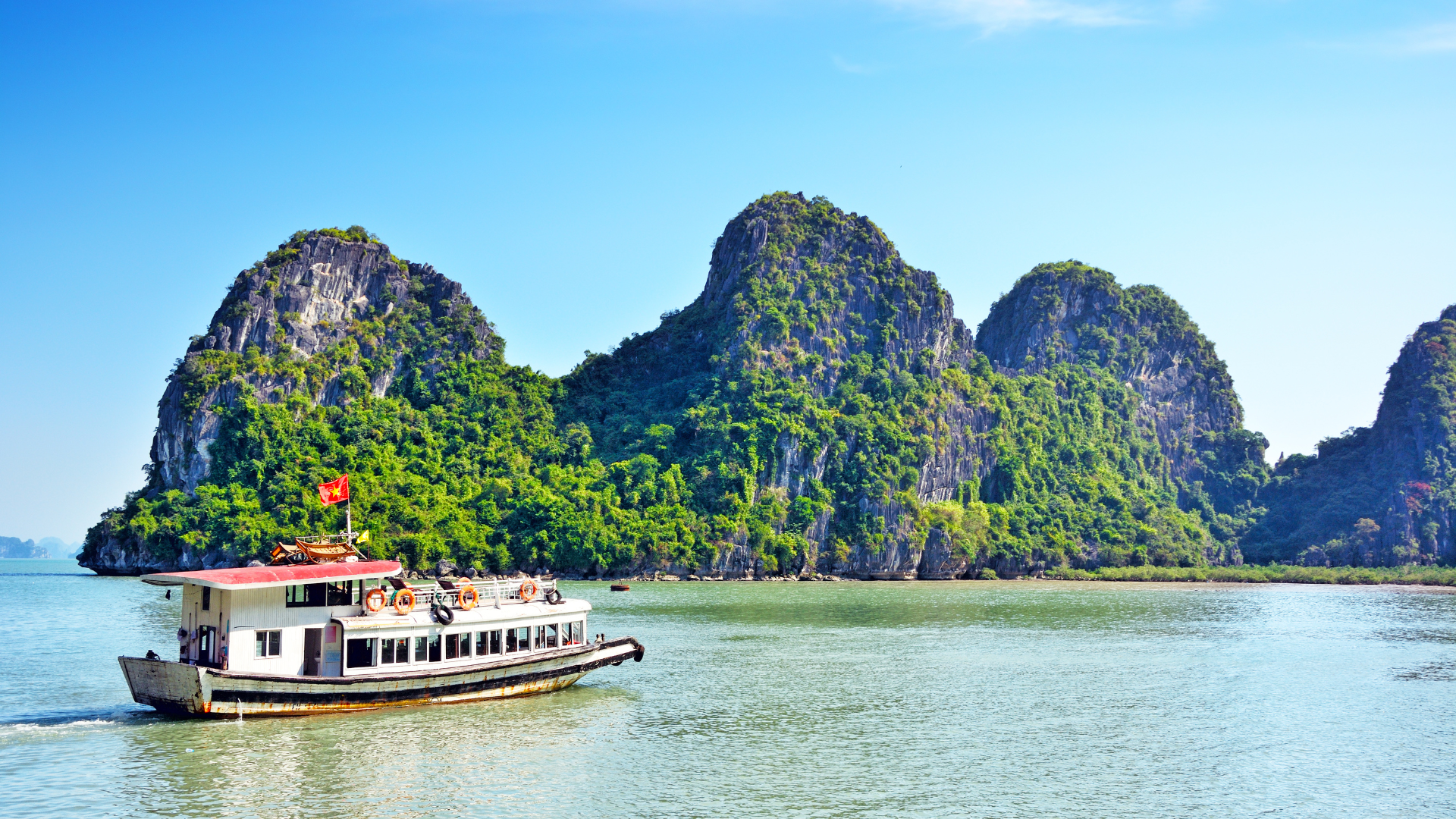
Vietnam invites exploration like no other place, where ancient temples tell stories from the past and terraced fields have nourished communities for generations. UNESCO World Heritage sites like the striking limestone pillars in Ha Long Bay, the streets lined with lanterns in Hoi An, and Hue’s historic imperial citadel all contribute to the country’s rich heritage. These are some of the must-visit places in Vietnam for every traveller’s list. However, the real spirit is beyond such famous spots; it is in the buzzing markets run by the same family for decades, in the temples’ smell of incense, and in colonial buildings where French and Chinese influences combine into a unique cultural mix.
B] Unexplored Spots Throughout Vietnam
Let’s look at some of the dishes that represent the culinary soul of Georgia, making each one worth the journey.
1. Ha Giang Province: The True Northern Frontier
The road to Ha Giang tests the travellers before rewarding them with Vietnam’s most dramatic landscapes. It deserves a top spot in any Vietnam trip itinerary for explorers seeking adventure. This northern province offers:
Natural Wonders: Mountain ranges cut through clouds, valleys plunge thousands of feet, and the UNESCO-recognised Dong Van Karst Plateau Geopark.
Cultural richness: Villages are perched on impossible slopes, their indigo-dyed garb shining against the terraced fields. Sunday markets become celebration time as Dao, Tay, and Giay people maintain their language and traditions.
The Star Attraction: Ma Pi Leng Pass, proudly known as “king of passes”, offers vertigo-inducing views over the Nho Que River and creates moments that silence even seasoned adventurers.
2. Ninh Binh: Ha Long Bay's Serene Twin
Limestone karsts rising from rice paddies instead of ocean waters: that’s Ninh Binh, offering Ha Long Bay’s drama without the crowds.
Tam Coc Experience: Elderly women row boats with their feet through caves and waterways, passing water buffalo grazing in timeless rural scenes.
Trang An caves: This network winds through mountains like nature’s cathedral, where sun rays illuminate emerald waters.
View Worth Climbing: Mua Cave rewards climbers with 360-degree panoramas of karsts standing guard over golden valleys. Ancient Hoa Lu adds historical depth to this serene landscape and was once Vietnam’s capital a millennium ago.
3. Central Highlands: Coffee, Culture, and Craft
The Central Highlands hum with coffee and indigenous traditions throughout Dak Lak and Gia Lai provinces.
Coffee Paradise: As the second-largest producer of coffee in Vietnam, plantations blanket the misty plateaus of volcanic soil in ideal growing conditions.
Indigenous Culture: The longhouses and traditional gong music, along with some intricate weaving, preserve the ancestral knowledge of the UNESCO-recognised Ede, Jarai, and Bahnar communities.
Natural Beauty: Take a dawn canoe ride across the glass-like waters of Lak Lake or do a homestay in villages.
4. Pu Luong Nature Reserve: Trekking Through Serenity
Unfamously untouristy, Pu Luong has beautiful trekking scenes with hypnotising terraced rice fields which reflect the sky in the planting season and turn gold in the harvest.
What to Explore: Thai ethnic minority villages with traditional stilt houses, century-old bamboo water wheels irrigating fields through gravity-powered engineering, and trails ranging from gentle valley walks to challenging mountain ascents through jungle blocking midday sun.
Stay Authentic: Homestays make travellers participate in food preparation, learn bamboo weaving, and live in a rural Vietnamese lifestyle through common laughter and simple gestures.
5. Con Dao Islands: The Hidden Paradise
Con Dao balances pristine paradise and sobering history in powerful ways.
Beach Perfection: Both Ong Dung and Dam Trau beaches are pristine white-sand beaches with no development, lined by forest rather than resorts. Crystal-clear waters host rich coral reefs, while sea turtles nest from June to September.
Historical Weight: Most prison museums show the notorious “tiger cages” where Vietnamese revolutionaries suffered under French- and American-backed regimes, potent reminders of the cost of freedom.
Wildlife & Diving: Con Dao National Park gives a home to some rarely found endemic black squirrels, while some dive sites offer 30-meter visibility with reef sharks and rays. The island remains remote because it is inaccessible by flight or rare ferry services.
C] Immersive Travel & Cultural Connections
1. Connect Through Language:
A few words in Vietnamese open a lot of doors. First of all, there is xin chào (sin chao), which means ‘hello’; then there is c?m on (gahm un: with a nasal sound at the end), which translates to ‘thank you’, and xin l?i (sin loy), which translates to ‘sorry’, which always leaves people smiling and patient when visitors make efforts to speak their language.
2. Homestay Moments:
The stays with families get richer if one knows the customs: slipping off shoes at the door, offering to help with cooking or garden tasks, and bringing small gifts of fruits and tea to share with hosts.
3. Temple Visits:
Places of worship demand respectful dress with shoulders and knees covered, removal of hats and shoes before entry, and they ask for permission while taking pictures inside during any ceremony or of people praying.
4. Real connections:
The most meaningful travel happens over shared meals where the language fades and food speaks, while learning crafts from artisans whose hands hold generations of knowledge. Such local Vietnam experiences make your journey far more memorable than tourist trails.
D] Travel Planning & Practical Insights
Vietnam pays off when one plans it with flexibility, creating connections between places in a way that feels natural, not rushed.
1. Route Planning:
Flow from Hanoi north to the mountains of Ha Giang, back through the waterways of Ninh Binh, across to the Central Highlands for coffee country, finishing at the island beaches of Con Dao.
Motorbikes offer freedom on winding passes and coastal roads.
With some patience, public buses reach most places rather cheaply. For a seamless experience, check out curated holiday packages from Mumbai that include these scenic routes.
2. Necessary Knowledge:
There are ATMs in the cities; however, cash works best.
Grab simplifies urban travel, with English in the app.
Book your stays in advance during high seasons.
3. Travel Smart:
Stick to bottled or filtered water.
Go for food stalls that have lots of customers and avoid those that are vacant.
Keep valuables safe
E] What is the Best Time to Visit Vietnam?
Vietnam pays off when one plans it with flexibility, creating connections between places in a way that feels natural, not rushed.
1. Understanding the Seasons
Vietnam is long enough that the weather differs greatly from north to south: northern provinces have four distinct seasons, with genuinely chilly winters, while southern areas are warm all year round. Central regions have their rainy season peaking from September through December.
2. Peak Season Beauty (October–April)
These are good months to be on a tour, and the weather is pleasant: a clear sky with pleasant humidity. Ha Giang in autumn shines like gold from September to November with perfect riding conditions. Spring brings festivals and blossoms to the north, while southern beaches shine during the winter months. You can plan your journey easily with our Vietnam package from Mumbai, designed for this perfect season.
3. Off-Season Rewards (May–September)
Monsoon rains mean fewer visitors, lower prices, and landscapes in their most vibrant green. Though there is the occasional downpour in central regions, photographers love the mist and dramatic light.
F] Travel Smart: Tips a First-Timer Should Know
Vietnam is one of Asia’s safest destinations for solo travellers.
Those planning from India can easily explore with a Mumbai-Vietnam package that covers flights, stays, and local experiences.
Vietnamese dong (VND) makes everyone feel wealthy. 187.70 dong equals about one INR (Indian rupee).
ATMs work well in the cities, but for markets and street vendors, bring smaller bills like the 50,000 dong and 100,000 dong notes, as larger notes like 500,000 dong can be hard to break at small shops.
Indian passport holders need an e-visa, which is processed online within three to seven business days for stays up to 90 days. The cost is around ?2,200–4,400 INR.
Download offline translation apps, such as Google Translate, before arrival.
Conclusion
The secret places of Vietnam reveal themselves to travellers who, in return, will slow down to notice those who follow hand-painted signs towards mountain trails, accept invitations to family tables, and choose two wheels over tour buses. It’s one of those unique places to visit in Vietnam that blends beauty with emotion. What the guidebooks don’t show you is the real treasure: genuine moments that change how you see not just this country but yourself. Come ready to discover it. For more details or a travel plan for your next trip, feel free to contact us.





 Flight
 Hotel
Hotel
 Travel Insurance
 Visa
Visa